Brunch has a way of blending comfort and celebration into one relaxed meal, and wine can elevate that experience when chosen thoughtfully. At M on High Restaurant, pairing wine with brunch is approached with the same care as every dish, guided by the culinary perspective of Executive Chef Maya Chrestensen and a commitment to balanced, memorable dining.
Understanding the Best Types of Wine for Brunch
Brunch menus often span sweet, savory, and lightly spiced dishes, so versatility matters.
Sparkling wines are a natural fit because of their acidity and bubbles, which refresh the palate. Light-bodied white wines such as Sauvignon Blanc or Pinot Grigio complement delicate flavors, while rosé offers a balanced middle ground that pairs well with a wide range of dishes.
For guests exploring brunch with wine, starting with these approachable styles makes the experience feel intuitive rather than overwhelming.
Pairing Wine with Classic Brunch Dishes
Eggs and Savory Plates
Egg dishes like omelettes or benedicts pair well with crisp white wines. Their acidity cuts through richness like hollandaise while keeping flavors bright.
Pancakes and French Toast
Sweeter dishes pair well with wines that have a hint of fruit or residual sugar. A lightly sweet sparkling wine or fruit-forward rosé complements maple syrup and caramelized toppings without overpowering them.
Avocado Toast and Fresh Options
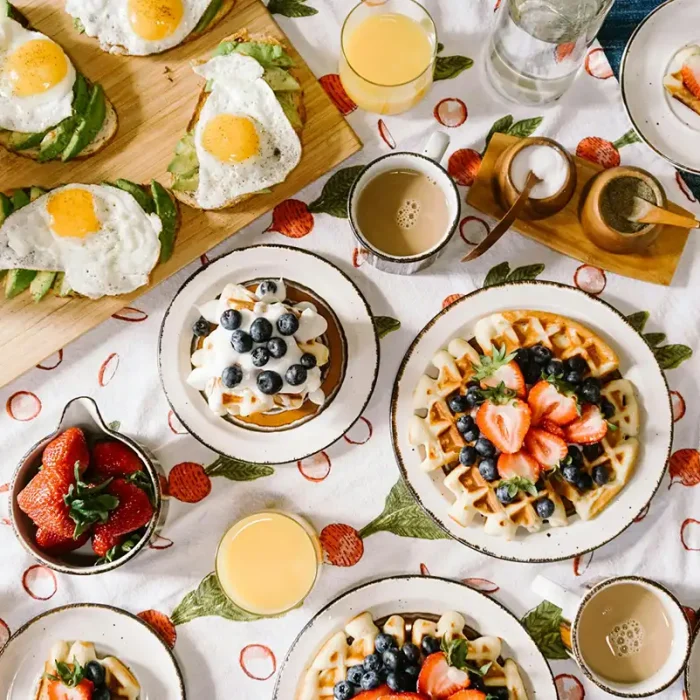
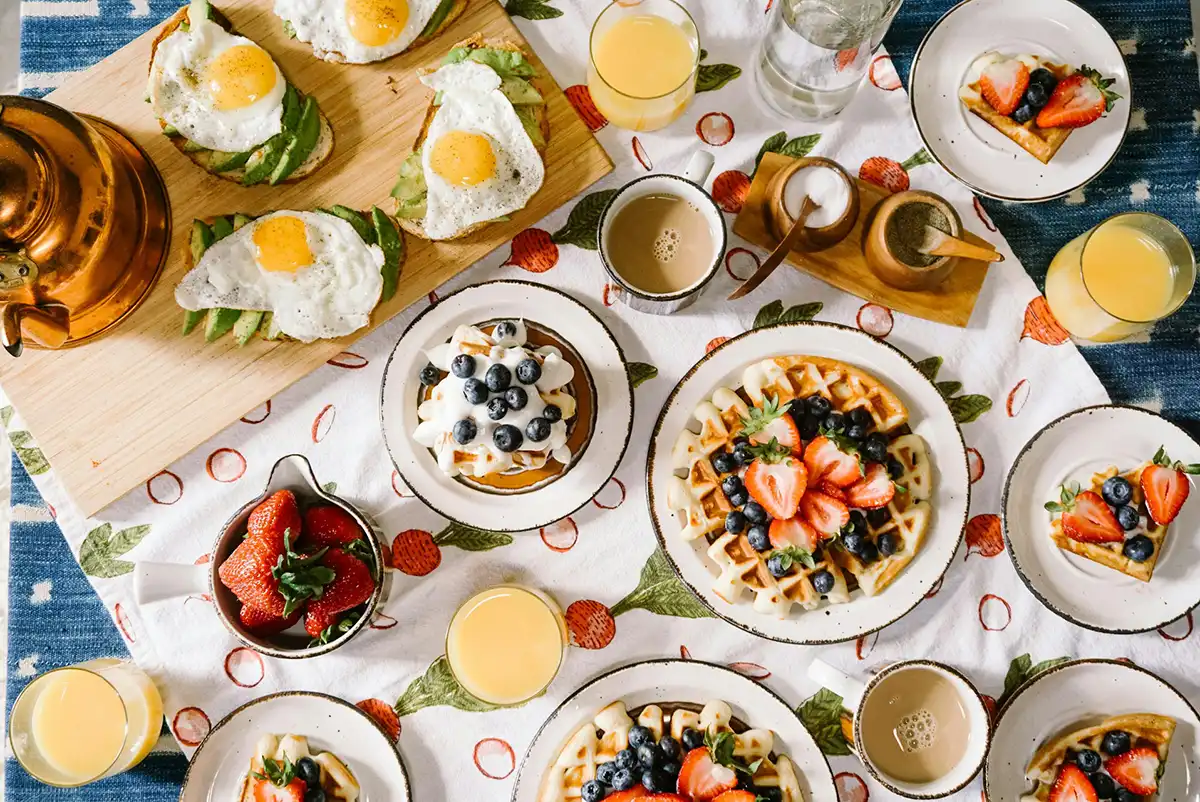
For lighter, plant-forward dishes like avocado toast, choose a clean, mineral-driven white wine. These wines highlight freshness and keep the dish feeling vibrant.
Choosing Between Sparkling, White, or Rosé
The time of day and mood often influence the choice as much as the food.
Sparkling wines bring energy and are ideal for celebratory brunches. White wines offer precision and clarity for savory dishes. Rosé provides flexibility, especially when a table is sharing multiple plates.
At M on High Restaurant, this range aligns naturally with a contemporary American menu designed to balance creativity with familiar flavors.
How Flavor Balance Shapes Pairings
A successful pairing comes down to balance.
Sweet dishes call for wines that match or slightly exceed that sweetness. Rich, savory plates benefit from acidity to cut through fats. Acidic foods, like tomato-based dishes, pair best with wines that have similar brightness.
Organizations like the Culinary Institute of America emphasize balance as a core principle in food and beverage pairing, reinforcing how structure and flavor interact on the palate.
Common Brunch Pairing Mistakes
One frequent mistake is choosing wines that are too heavy for a late-morning meal. Full-bodied reds can overwhelm lighter brunch dishes.
Another is ignoring acidity. Without it, wine can feel flat alongside rich or creamy foods.
Overcomplicating the decision can detract from the experience. A simple, well-balanced choice often works better than trying to match every ingredient precisely.
Building a Simple Wine List for a Group
When planning a group outing, variety is key.
Offer one sparkling option, one crisp white, and one rosé. This trio covers most brunch dishes, giving guests flexibility.
For larger gatherings, understanding group dining guidelines can also help streamline the experience, especially when coordinating menus and service through large party reservations.
Light vs. Full-Bodied Wines at Brunch
Light-bodied wines are typically the better choice for brunch.
They complement the meal without weighing it down and allow flavors to remain clear. Full-bodied wines can work in certain cases, such as heartier dishes, but should be selected carefully to avoid overpowering the table.
Chef-driven menus that focus on fresh ingredients naturally align with lighter wine styles, enhancing both food and drink.
Exploring Unexpected Pairings
Brunch invites creativity.
A dry rosé with spicy chilaquiles or a sparkling wine with savory sliders can create surprising harmony. Even dishes like sweet-and-savory combinations benefit from wines that bridge both flavor profiles.
At M on High Restaurant, where the menu reflects a thoughtful mix of innovation and familiarity, these pairings feel intentional rather than experimental.
Seasonal Ingredients and Southern California Influence
Seasonality plays a subtle but important role in pairing.
Fresh herbs, citrus, and produce common in Southern California cuisine pair naturally with wines that emphasize brightness and acidity. As ingredients shift throughout the year, so can wine selections, keeping the experience dynamic.
This approach reflects a broader culinary philosophy of working with fresh ingredients to create balanced, flavorful dishes.
What to Ask When Choosing a Brunch Wine
A knowledgeable server can make the process easier.
Ask which wines pair well with your specific dish, whether a wine leans more acidic or fruit-forward, and what the team recommends for shared plates. Restaurants with strong culinary leadership, like M on High Restaurant, prioritize guiding guests toward choices that enhance the entire meal.
Why Culinary Expertise Matters
Wine pairing is not guesswork when it is grounded in experience.
With over 30 years of culinary expertise, Executive Chef Maya Chrestensen brings a deep understanding of flavor balance and ingredient harmony to the menu. That level of expertise ensures that both food and wine selections feel cohesive, thoughtful, and satisfying.
Conclusion
Pairing wine with brunch becomes simple when you focus on balance, freshness, and a few versatile styles. Whether you prefer sparkling, white, or rosé, the goal is to enhance the flavors on your plate while keeping the meal relaxed and enjoyable.
For a setting where thoughtful pairings and contemporary American cuisine come together seamlessly, explore wine and brunch at M on High Restaurant and enjoy a dining experience that feels both elevated and welcoming.